
The deeper story of matcha begins in China, and Jingshan is one of its most important cultural origins.
Matcha originated in China and reached an important stage of development at Jingshan Temple in Zhejiang. During the Tang Dynasty, monks used tea as part of Zen practice. By the Song Dynasty, steaming, grinding, whisking, tea competitions, and Zen-tea rituals had developed into a more complete powdered-tea culture.
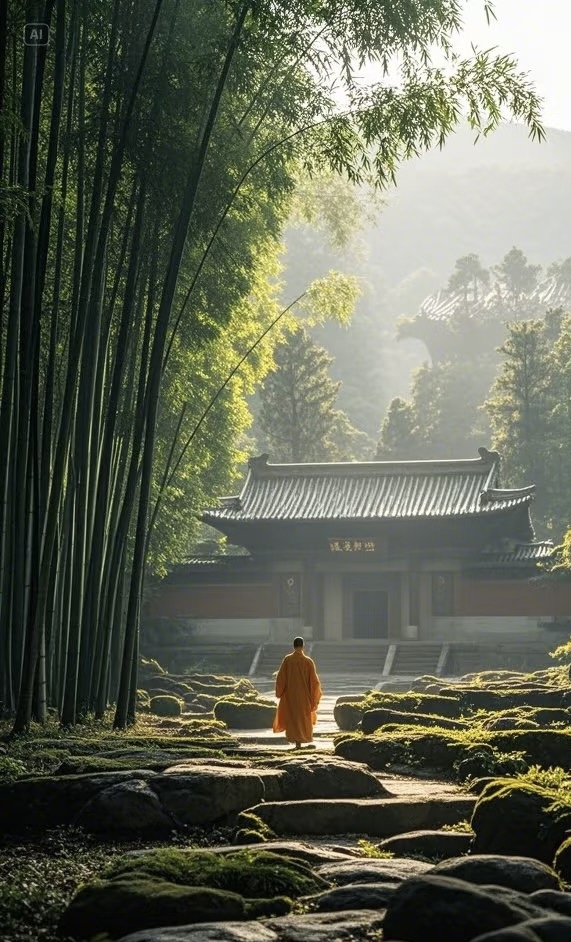
Jingshan is not only a scenic place. It is one of the historical locations where Chinese powdered-tea preparation, temple order, and tea ceremony culture became closely connected. That is why it remains a strong reference point for understanding the Chinese origin of matcha.
During the Song and Yuan dynasties, Japanese monks came to Jingshan to study Buddhism. They brought back Zen teachings of the Rinzai school together with the art of preparing powdered tea, which later influenced the evolution of the Japanese tea ceremony.
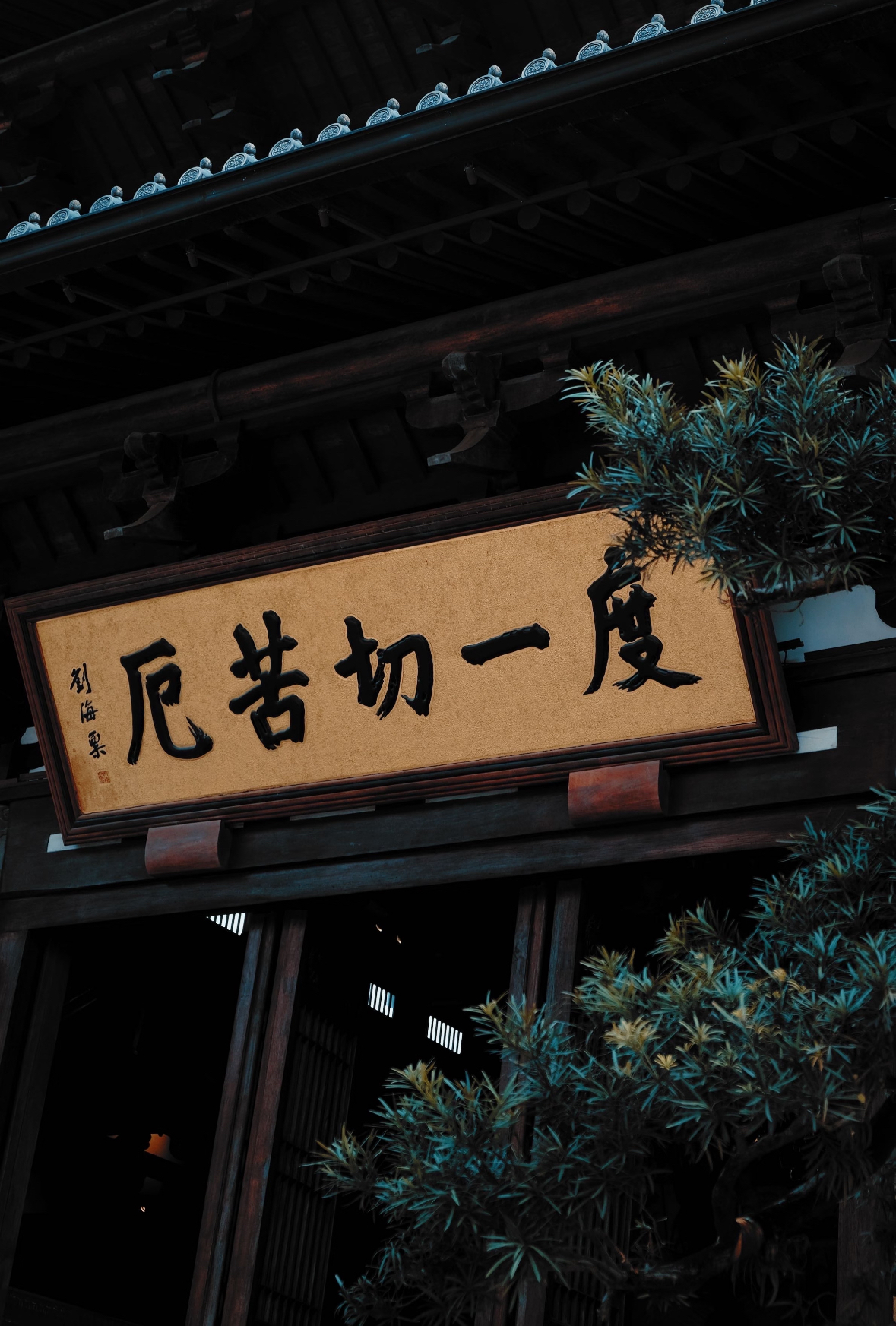
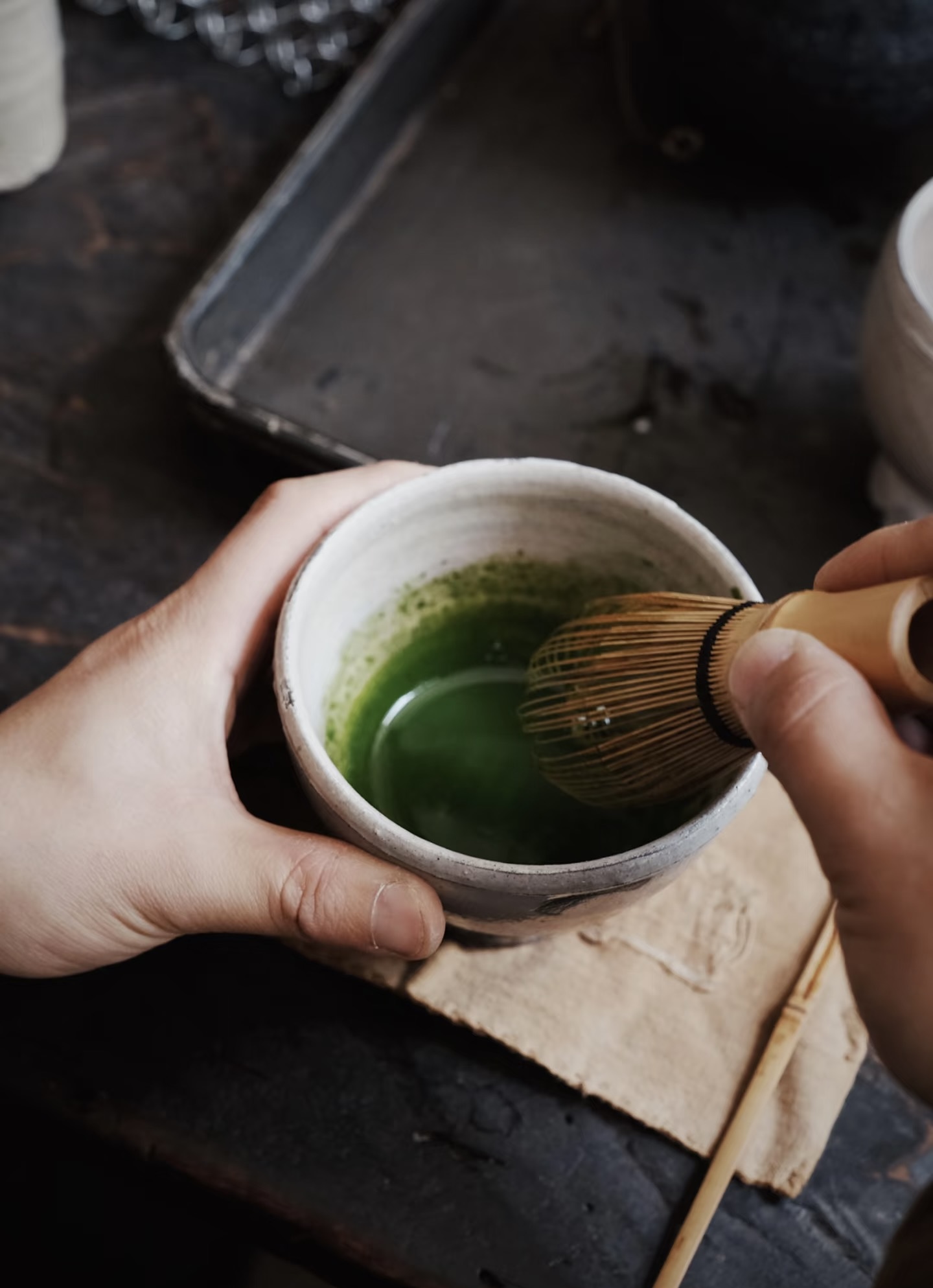
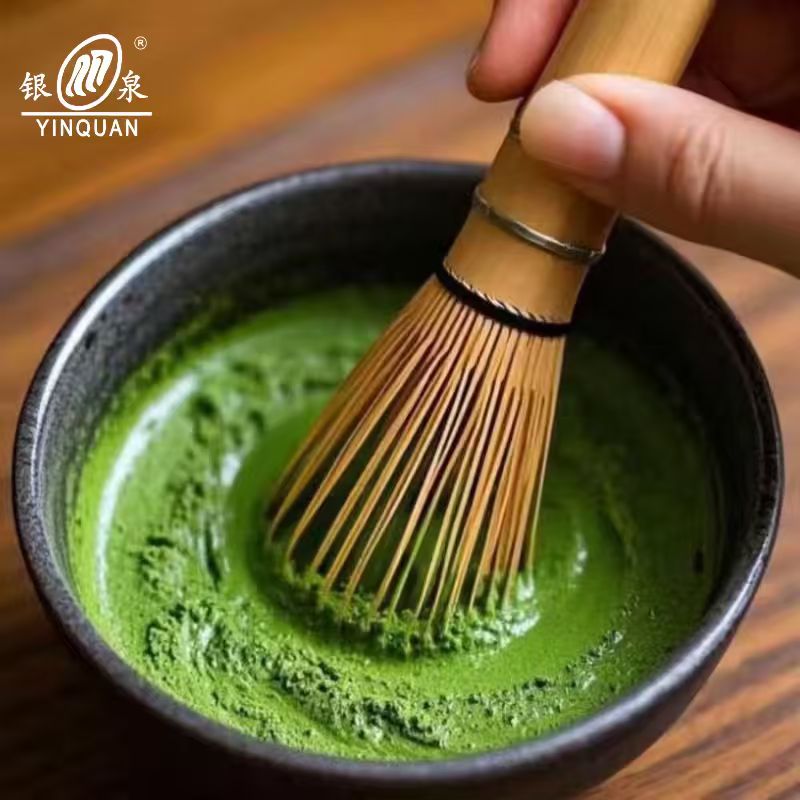
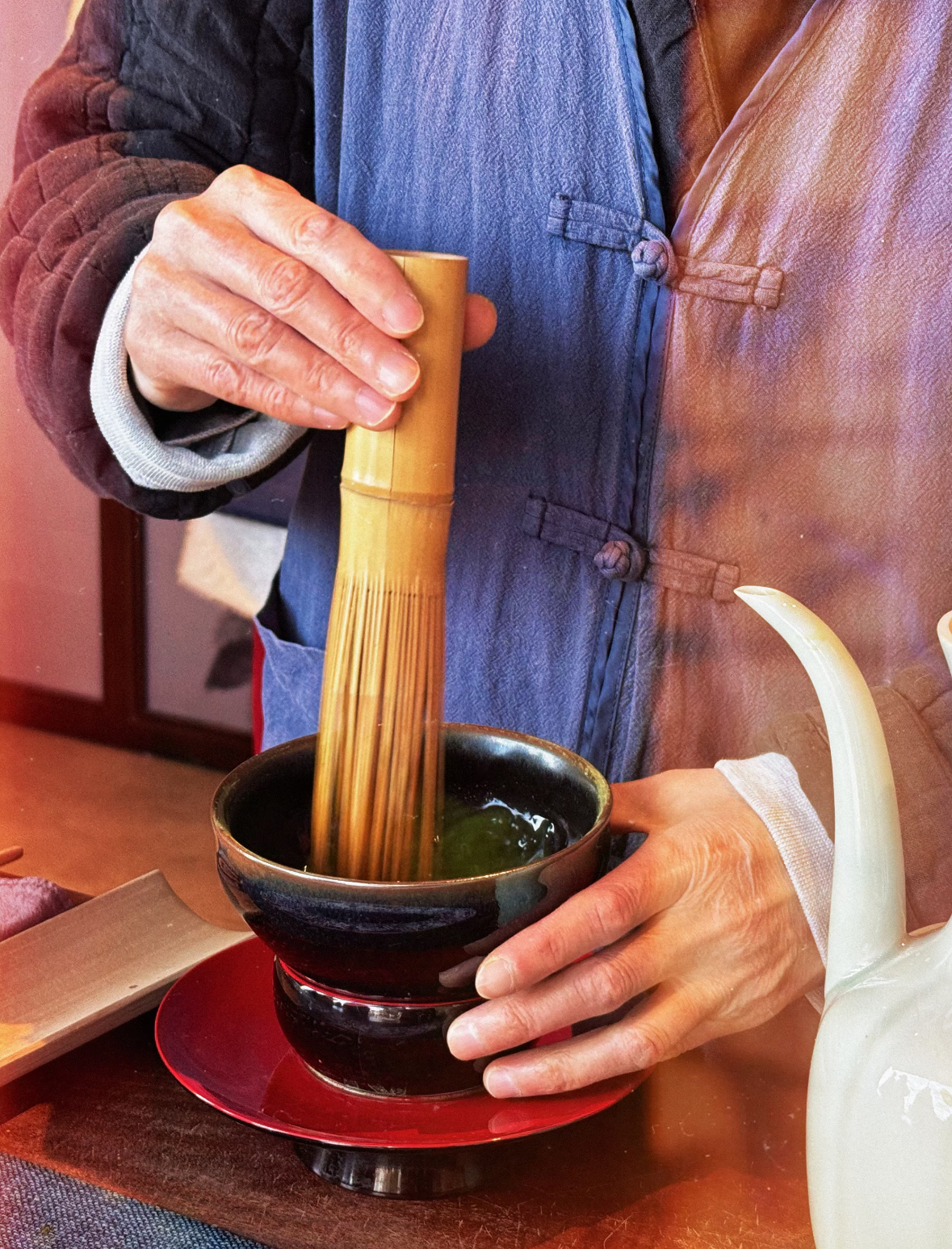
Tea in Zen Life
Tea functioned as a practical and spiritual aid for monks, supporting meditation and temple discipline.
Powdered Tea System
Steaming, grinding, whisking, and tea competition became more complete, laying the cultural foundation for later matcha traditions.
Transmission to Japan
Jingshan became a starting point of Sino-Japanese Zen-tea exchange, shaping the later development of the Japanese tea ceremony.